
Visibility from pit to stockpile
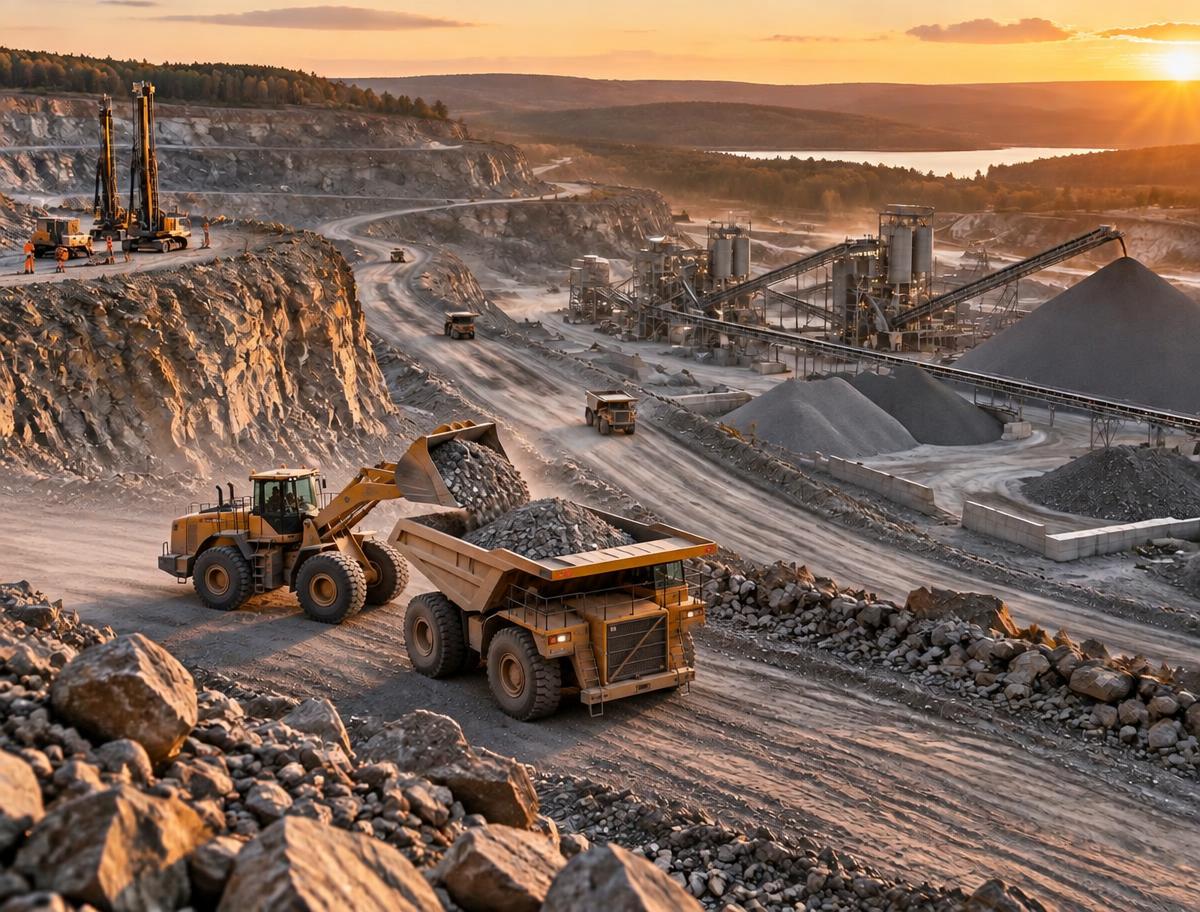
Follow loaders, haul trucks, and support assets across production areas, stockpiles, and offsite assignments from one shared fleet view.
Aggregate producers depend on loaders, haul trucks, and support equipment working in rhythm with the plant and stockpile plan. goAardvark connects mobile asset activity, operating context, inspections, and maintenance needs across pits, plants, and offsite work so teams can protect production without losing sight of fleet condition.
One operational picture
Follow loaders, haul trucks, and support assets across production areas, stockpiles, and offsite assignments from one shared fleet view.
Connect equipment activity to loading, hauling, stockpile, and support work so operating discussions include context—not just an engine-hour total.
Give operations and maintenance teams a shared view of asset condition, location, and service needs before an interruption reaches the plant or haul cycle.
See loaders, trucks, and support equipment across pit benches, plants, stockpiles, and satellite locations without separating each operating area into its own report.
Depth of data your team can rely on.
Mobile asset visibility across the operation
Review mobile equipment activity alongside the work it supports, helping teams investigate haul delays, loading imbalances, idle time, and changing support needs across the operation.
One shared record for everyone involved.
Production-aware fleet context
Keep field observations, usage, and maintenance needs close to the asset record so the team can schedule attention around production priorities and equipment location.
Traceable and audit-ready from day one.
Inspections and service cues before interruption
Crews, dispatch, shop teams, and managers can see the same equipment activity without waiting for calls or end-of-day updates.
Track where assets are, what they are doing, and which job they are supporting so operations can make faster calls.
Usage, inspections, and service signals stay close to the asset record so the shop can act before small issues slow the job.
See fleet visibility and field workflows in the same demo.
Book a demoBook a demo to see how goAardvark fits your heavy-civil operation.