
Undercarriage Wear: What Heavy Civil Fleet Owners Should Track
Turn track observations, application history and dealer measurements into a usable undercarriage plan for dozers and excavators.
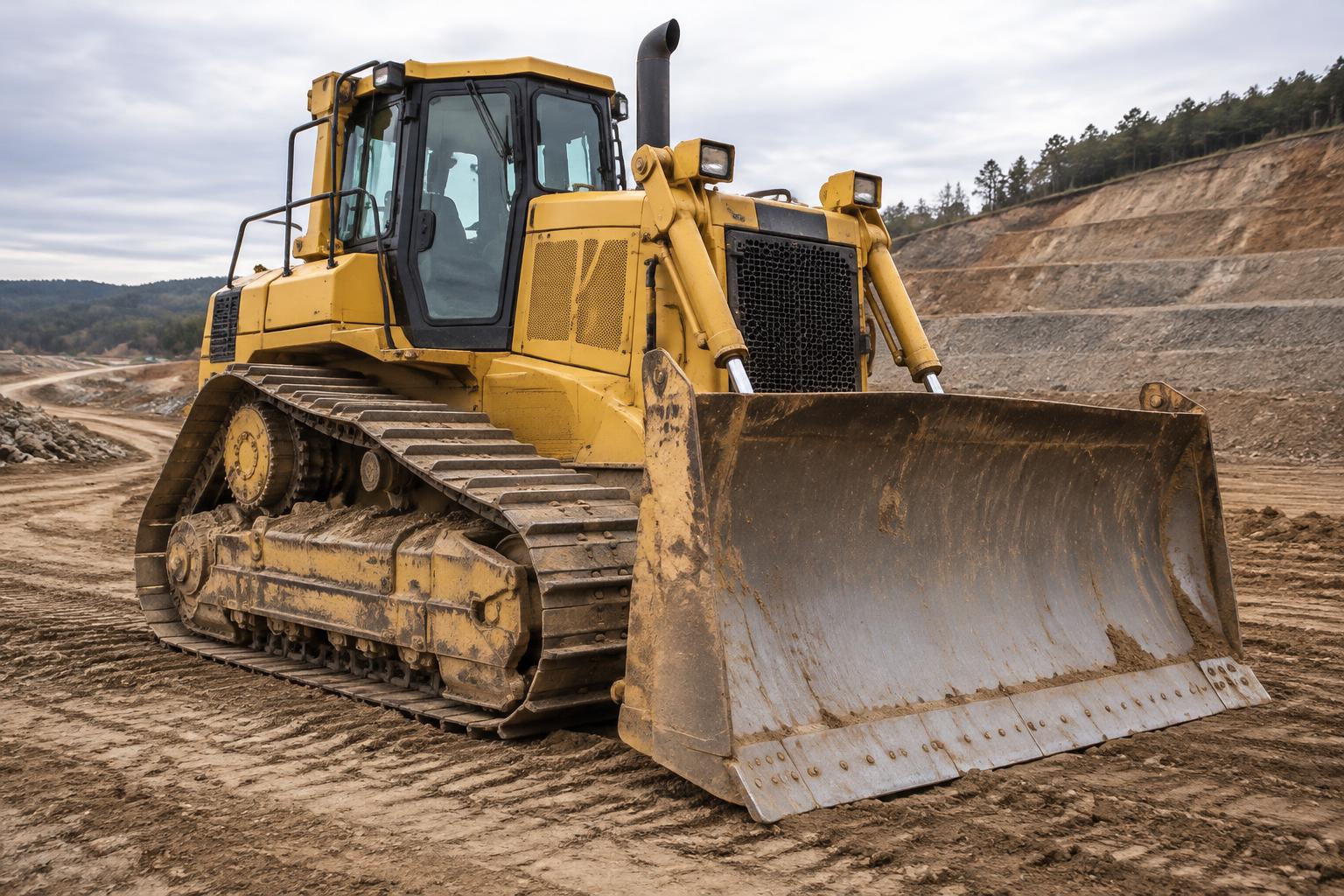
A dozer or excavator can remain productive while its undercarriage condition changes beneath it. For heavy civil fleet owners, the challenge is not simply spotting worn parts. It is connecting observations to the work the machine performs, arranging qualified measurements and planning repairs before an uncertain condition collides with a project commitment.
There is no universal track-tension number, wear limit or replacement hour that belongs in a mixed-fleet checklist. Those decisions depend on the machine, undercarriage configuration, application and manufacturer guidance. What can be standardized is the quality of the records and the handoff between operator, shop and service provider.
Give every observation a machine and an application
Record the asset identifier, date, hour-meter reading and current assignment. Note whether the machine has been grading, excavating, working in abrasive material or traveling between work areas. Operating hours alone cannot describe those differences.
Where photos are useful, take them consistently from safe positions with the machine secured under company procedures. Include enough context to identify the side and component. A close-up without an asset number or location can become an expensive guessing game when the shop reviews it later.
Make walkarounds repeatable, not diagnostic
Use the exact machine manual to establish operator inspection points. Record visible damage, missing or loose-looking hardware, unusual packing and changes that need attention. Do not ask an operator to infer remaining component life from a photograph or to perform adjustments outside their training.
Caterpillar’s excavator undercarriage guidance describes regular inspection and attention to components such as track hardware, sprockets and joints. Apply its recommendations only where appropriate to the machine; other manufacturers and configurations may require different checks.
Keep tension specifications out of generic checklists
Track inspection and adjustment methods belong to the manufacturer’s instructions for the particular unit. Soil conditions, configuration and component type matter. A value copied from another machine or a general online article is not a safe substitute.
If the observation suggests a tension or adjustment concern, hand it to a trained person with the correct manual. Keep personnel clear of hazardous areas and follow the required isolation and positioning procedures. The fleet record should show the concern, who reviewed it and the outcome—not invent a maintenance method.
Compare qualified measurements over time
Arrange wear measurements through your shop or a qualified service provider using the appropriate procedure. Store the date, hours, measured components, method and recommended next review. Ask whether successive reports used compatible measurement locations and definitions.
A trend is more useful than a disconnected percentage. If condition changes faster than expected, review the application, component history and operating practices with the service provider. Do not turn a measurement into a guaranteed remaining-life forecast without the supporting assessment.
Plan the whole intervention
Before reserving a repair window, confirm scope, parts availability, labor, transport needs and how the unit will be released back to work. Ask what related components need inspection and which decisions depend on teardown. Keep a contingency for findings that cannot be confirmed beforehand.
Coordinate with the project team around the machine’s next critical assignment. A planned repair still needs an available substitute or a revised work sequence. The dealer locator can help identify territory coverage; confirm the dealer’s actual service capability and availability directly.
Use a short owner’s review
For each tracked unit, review the latest observation, last qualified measurement, open action, planned work and next inspection. Assign responsibility for overdue follow-up. Repeated comments such as “tracks need attention” should trigger a better handoff, not another vague note.
The maintenance library is a useful starting reference, while the exact OEM manual remains authoritative. Bring your asset list and undercarriage record requirements to a goAardvark demo to discuss how they fit your broader fleet workflow.
More from the blog
Know where your fleet stands before the day slips.
Book a demo to see how goAardvark fits your heavy-civil operation.