
Moving Equipment Between Jobsites: A Handoff Checklist For Fleet Owners
Confirm readiness, attachments, transport responsibilities and receiving-site acceptance before a heavy equipment move becomes a production problem.
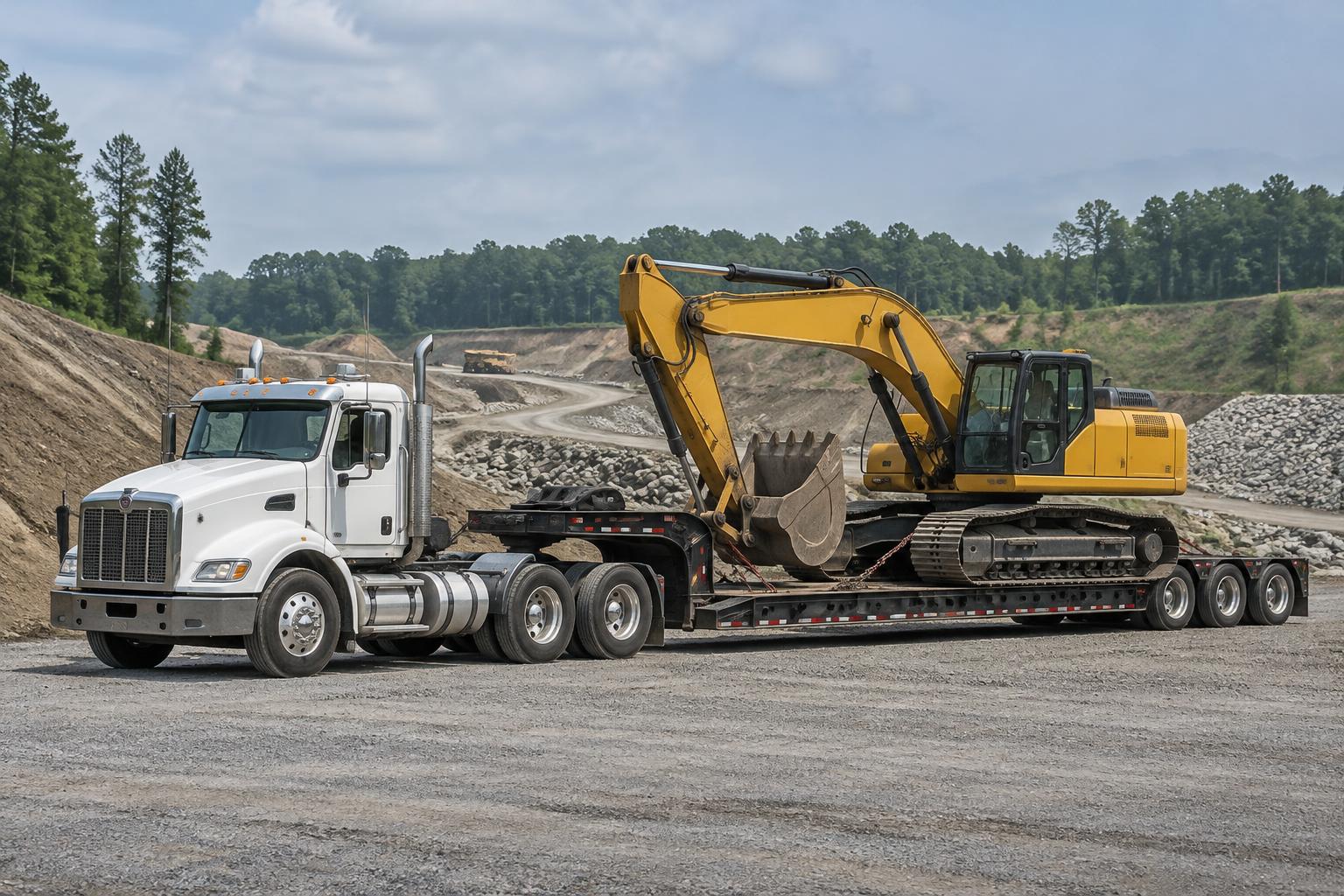
A machine transfer is not finished when the lowboy leaves the yard. The receiving crew still needs the right equipment, the correct attachment, a usable condition record and a clear understanding of unresolved issues. For heavy civil contractors with multiple projects, that handoff is where a seemingly routine move can become a missed start or an avoidable dispute.
This is an operating checklist for coordinating a move, not a loading or securement procedure. A qualified transport provider must handle route, permits, loading, weight and cargo-securement requirements under the applicable rules. Keep those responsibilities explicit rather than assuming the dispatch note covers them.
Confirm the receiving job’s actual requirement
Ask the project team for the task, required arrival time, machine configuration and expected duration. Confirm attachments, couplers and any job-specific requirements. A model name alone may not establish whether the unit is suitable for the work.
Identify the receiving contact and verify access, unloading arrangements and the approved staging location. Record who can accept a changed arrival time or substitute unit. If the site is not ready, resolve that before committing a transport slot.
Check readiness before dispatch
Have the responsible shop or fleet lead confirm current condition, open repairs and applicable inspection status. Separate a planned repair completion from a completed and verified repair. A machine’s location in the yard does not prove it is ready to deploy.
Review upcoming service against the assignment. If planned maintenance overlaps the job, decide who coordinates access and when it can occur. Do not silently transfer an unresolved maintenance obligation to the receiving superintendent. Use the maintenance library as a reference and verify the exact unit’s requirements against its manual.
Build a departure record that travels with the machine
Capture the asset identifier, hour reading, departure location, destination and responsible contacts. List attachments and accessories rather than relying on “everything included.” Note visible condition and known unresolved issues, with photos where appropriate and safely obtainable.
Record observations as observations. An operator’s note about a leak is not a diagnosis, and a digital checklist is not clearance to operate. The DVIR resource offers inspection context and an on-page sample; it does not create an operational inspection record or authorize this machine’s use.
Leave transport decisions with qualified people
Confirm who supplies the verified machine configuration and transport information, who checks the route and permits, and who performs loading and securement. Do not use an estimated weight or a generic chain count as the dispatch instruction.
FMCSA’s cargo-securement overview describes rules for covered commercial transport, including heavy equipment. Applicability depends on the movement and governing requirements. The carrier should verify the current rules and equipment-specific preparation; this article is not a substitute for them.
Close the receiving-side loop
At arrival, have the receiving team confirm the asset and listed attachments, inspect condition through the employer’s process and acknowledge known issues. Record discrepancies promptly so the sending site, shop and carrier can resolve them with evidence.
Update the agreed project assignment and contact details. An equipment move should not leave the office allocating costs to the old site while the new superintendent assumes service responsibility belongs elsewhere. Name the person who updates those records and confirms completion.
Make exceptions visible
Use a short exception list: missing attachment, uncertain readiness, transport change, access restriction or disputed condition. Each item needs an owner, next action and decision deadline. If it prevents safe or suitable deployment, escalate through the company’s established authority.
Review failed handoffs to improve the checklist, not to add paperwork indiscriminately. The goal is a receiving crew that knows what arrived and what still needs attention. Bring your transfer workflow and asset-assignment questions to a goAardvark demo.
More from the blog
Know where your fleet stands before the day slips.
Book a demo to see how goAardvark fits your heavy-civil operation.